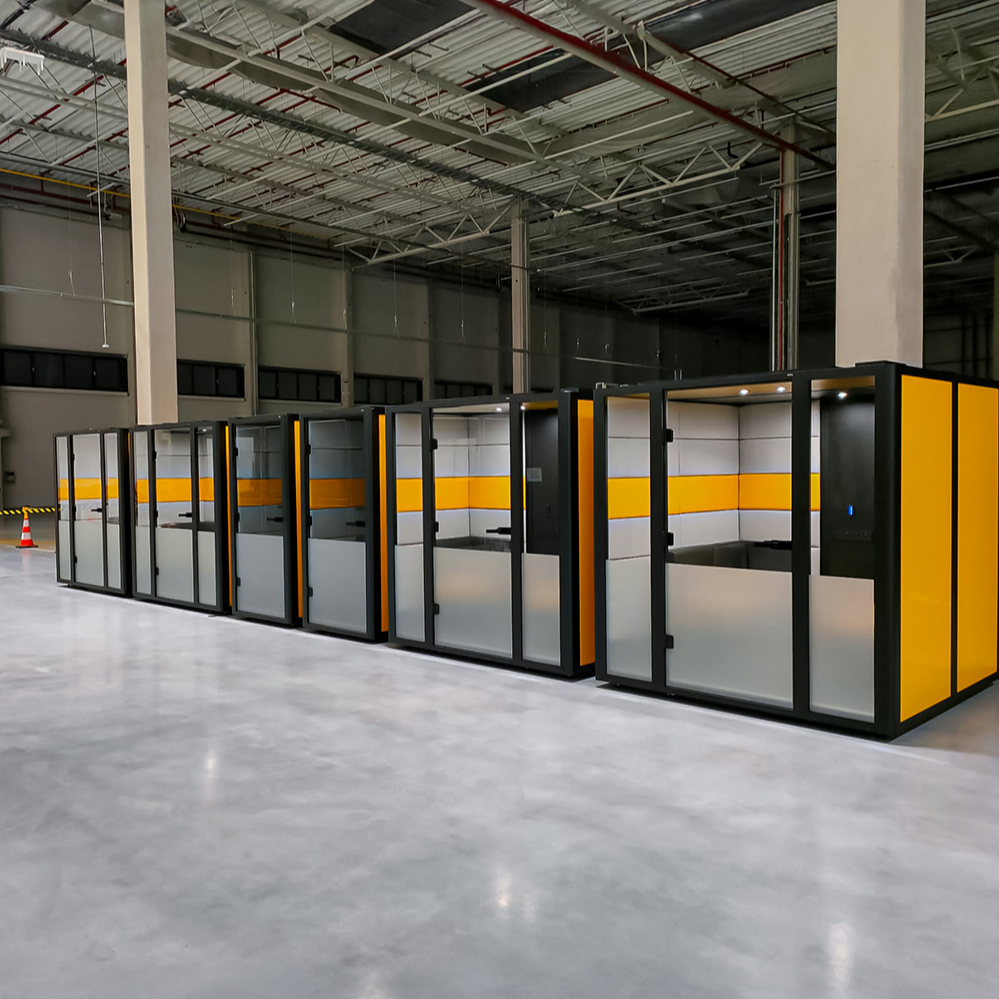

A soundproof room is a specially designed and equipped space aimed at minimizing the penetration of external sounds and limiting the spread of noise within. Various acoustic isolation techniques, encompassing both sound-absorbing and sound-insulating materials, are employed to achieve this effect. In this article, we will discuss the fundamentals of soundproof rooms, key elements of such spaces, materials and technologies used in acoustic isolation, as well as practical tips for enhancing the soundproofing of existing rooms.
Soundproof Room Basics
In the world of interior acoustics, the quietest room is one designed and equipped to maximize the reduction of external sounds and minimize the propagation of noise within. These rooms are essential in various fields, such as science, medicine, or industry. To achieve this effect, various acoustic isolation techniques are applied, involving both sound-absorbing and sound-insulating materials. Acoustics in the office, like soundproof rooms, is gaining popularity and is an essential element that characterizes every modern office, where the comfort of work and employee productivity is crucial.
What Are Soundproof Rooms, and How Do They Work?
Acoustic isolation is a key parameter that determines the effectiveness of soundproof rooms. It refers to the ability of a material or structure to limit the penetration of sounds. In practice, the higher the acoustic isolation, the better the protection against noise. Soundproof rooms work on the principle of an acoustic barrier, which separates the sound source from the receiver. Depending on the needs, these barriers can be made of various materials such as concrete, wood, or specialized acoustic foams.
Soundproof Rooms and Their Applications in Various Fields
One of the most well-known examples of soundproof rooms is an anechoic chamber, characterized by practically zero sound reflection. Inside such a chamber, an exceptional silence prevails, allowing for precise acoustic measurements or research on the impact of noise on human health. Other applications of soundproof rooms include conference halls, recording studios, research laboratories, or spaces dedicated to quiet work, such as libraries or reading rooms.
It’s worth noting that soundproof rooms are not reserved exclusively for specialized purposes. In everyday life, there is a growing need to increase the acoustic isolation of our homes or offices to ensure comfort in urban environments, where noise is a significant stress factor. In office solutions, acoustic cabins and phone booths take the lead, effectively reducing noise in the workplace.
Key Elements of Soundproof Rooms
The acoustic construction of a soundproof room plays a crucial role in providing adequate sound isolation. It consists of various elements that work together to reduce sound penetration and the spread of noise within the room. Among these elements are walls, floors, ceilings, doors, and windows made of materials with high acoustic insulation.
Soundproof Rooms and the Role of Sound Isolation
Sound isolation involves the process of limiting the penetration of sounds through acoustic barriers, such as walls, floors, or doors. There are different types of sound isolation, which can be applied in soundproof rooms depending on needs and requirements. These include soundproofing, which involves the use of high-mass materials like concrete or brick, and sound absorption, which uses materials with a porous structure, such as acoustic foams or mineral wool. Choosing the right sound isolation is crucial for the effectiveness of a soundproof room.
The Significance of Room Soundproofing for Acoustic Comfort
Room soundproofing aims to reduce sound reflection inside a room, leading to improved acoustic comfort. Thanks to soundproofing, sounds are absorbed by sound-absorbing materials, preventing them from bouncing off hard surfaces like walls or floors. As a result, the room maintains a pleasant atmosphere, conducive to concentration, relaxation, or creative work.
Effectively Soundproofing a Room: Practical Tips
To effectively soundproof a room, it’s advisable to implement a few proven solutions. Firstly, ensure proper sound insulation of walls, floors, and ceilings using materials with high acoustic insulation. Secondly, invest in soundproof windows and doors that effectively block external sounds. Additionally, sound-absorbing materials such as acoustic panels or curtains can be applied to absorb sounds reflecting off hard surfaces. Pay attention to the arrangement of furniture and devices in the room to avoid generating additional noise or vibrations.
Soundproof Rooms and Materials/Technologies Used in Acoustic Isolation
To achieve effective acoustic isolation, various acoustic materials and technologies are employed. The choice of materials depends on individual needs and the type of room in which they are to be used.
Acoustic Isolation Properties of Different Materials
Comparing the acoustic insulation properties and sound-absorbing qualities of different materials reveals that some materials excel in blocking sounds, while others are better at absorbing them. For example, concrete and brick are materials with high acoustic insulation but poor sound absorption. On the other hand, porous materials like acoustic foams or mineral wool are excellent sound absorbers but have lower acoustic insulation.
Soundproof Windows and Their Role in Acoustic Isolation
Soundproof windows play a crucial role in acoustic isolation, especially in the case of windows. By utilizing special technologies such as multi-layered glass or applying specific coatings, soundproof windows effectively block the penetration of external sounds. Pay attention to the acoustics of windows when choosing suitable soundproof glass to achieve optimal results.
Soundproof Doors: How to Choose and Install Them?
Similar to windows, soundproof doors are essential elements in the acoustic isolation of rooms. When selecting soundproof doors, consider characteristics such as door thickness, material, and the use of soundproof seals. Various types of soundproof doors, including entrance doors, acoustic doors, or fire-resistant acoustic doors, are available. Proper soundproof door installation is crucial for maintaining the effectiveness of acoustic isolation.
Application of Soundproofing Films and Sound-Absorbing Panels
In addition to traditional construction materials, soundproofing films and sound-absorbing panels are popular solutions for enhancing acoustic isolation. Soundproofing films, applied directly to windows or glass surfaces, provide an additional barrier against external sounds. Sound-absorbing panels, strategically placed on walls or ceilings, contribute to reducing sound reflections and improving the overall acoustic comfort of the room.
Enhancing Acoustic Isolation in Existing Soundproof Rooms
For existing rooms, enhancing acoustic isolation may involve a combination of measures. Installing soundproofing curtains, adding area rugs or carpets, and placing acoustic panels strategically on walls can make a significant difference. Additionally, upgrading windows and doors to soundproof versions can further enhance acoustic isolation.
Soundproofing Living Spaces: Practical Advice
Soundproofing living spaces is a common concern, especially in urban environments with high noise levels. Implementing practical solutions can significantly improve acoustic comfort at home.
How to Increase the Acoustic Isolation of Windows and Doors?
Windows and doors are primary points of sound penetration, and addressing them is essential for effective soundproofing. Consider installing double-glazed windows or adding weatherstripping to existing windows and doors. These measures help create an additional barrier against external sounds. Using heavy curtains or blinds also contributes to sound absorption and insulation.
Application of Ceilings and Acoustic Panels in Existing Spaces
Ceilings and walls are often overlooked in soundproofing efforts. Installing acoustic panels on walls and suspended ceilings can effectively absorb and diffuse sound, reducing echoes and improving overall acoustic comfort. Consider using decorative acoustic panels that not only enhance sound absorption but also add aesthetic value to the living space.
Measurement and Assessment of Acoustic Isolation
Assessing the effectiveness of acoustic isolation involves measuring various parameters related to sound transmission and absorption. Understanding these indicators is crucial for optimizing soundproofing efforts.
Acoustic Assessment Indicators: What You Need to Know
Common indicators for assessing acoustic isolation include Sound Transmission Class (STC) and Noise Reduction Coefficient (NRC). STC measures the ability of a structure to block airborne sound, while NRC indicates the amount of sound absorbed by a material. By understanding these indicators, one can make informed decisions about the choice of materials and technologies for soundproofing.
How to Measure Noise Levels and Sound Absorption?
Measuring noise levels and sound absorption in a room can be done using specialized equipment, such as sound level meters and acoustic absorption coefficient testing. These tools help quantify the effectiveness of soundproofing measures and identify areas that may require further attention. Consulting with acoustic professionals or using acoustic simulation software can also provide valuable insights into the acoustic performance of a space.
Summary
Creating a soundproof room involves a thoughtful combination of materials, technologies, and design elements. Whether for specialized purposes like recording studios or everyday living spaces, effective soundproofing enhances acoustic comfort and contributes to a healthier and more productive environment. By understanding the basics of soundproof rooms, key elements of acoustic isolation, and practical tips for implementation, individuals can make informed decisions to achieve optimal results in their soundproofing projects.”
Please note that this is a general guide and may need to be adapted or expanded based on specific needs or requirements.